Why Is There Sunken Skin Beside My Outer Eye? Causes, Symptoms & Solutions
Noticing sunken skin beside the outer eye can be unsettling, especially if it appears suddenly or seems to worsen over time. This concern touches on both health and beauty, prompting questions about sunken eyes dehydration, the variety of sunken eyeball causes, and even diseases that cause sunken eyes. Whether you’re hoping to enhance your appearance or understand potential underlying issues, the right knowledge is the first step in addressing sunken eye balls effectively.
Sensitive eye area changes, like hollowing or darkness, can signal anything from lifestyle habits to medical conditions. By exploring the reasons behind sunken eyes and the beauty solutions available, you’ll gain insight into both prevention and targeted treatments for this delicate concern.
Understanding Sunken Skin Beside the Outer Eye
What Sunken Skin Looks Like
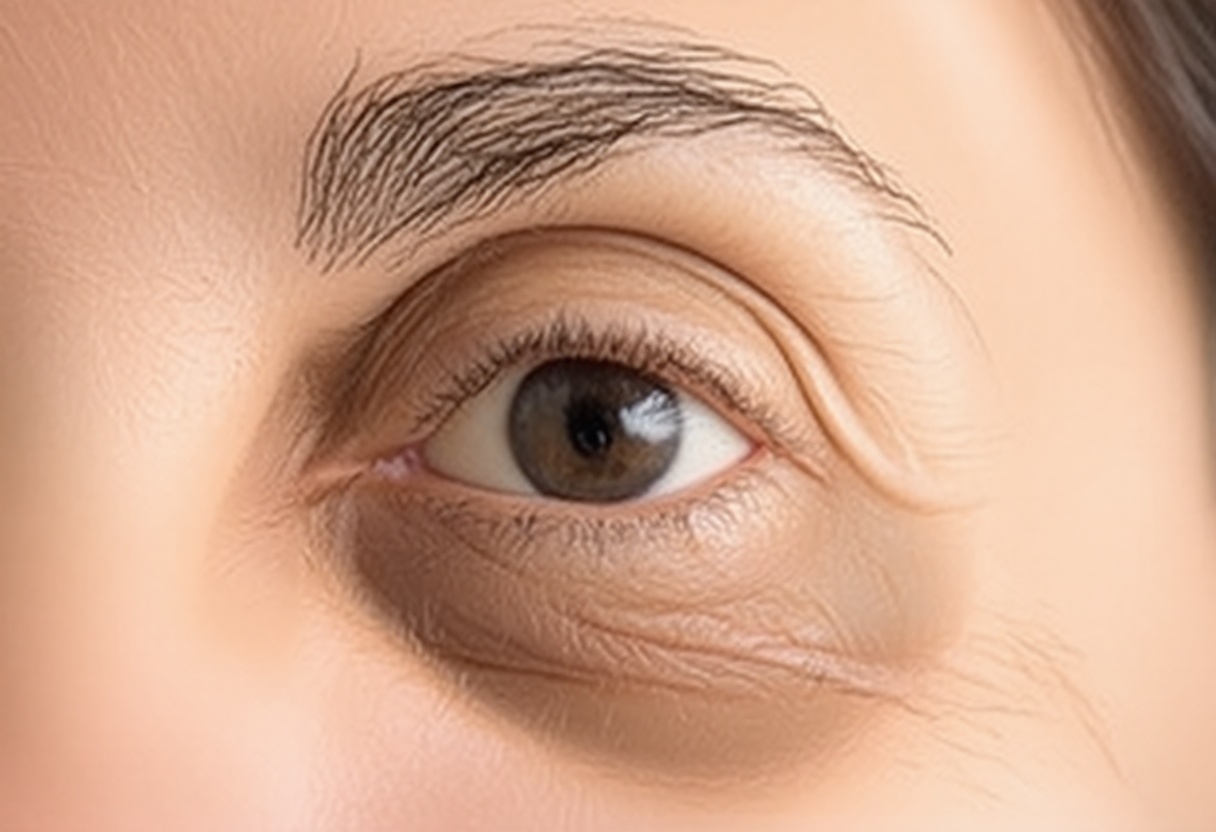
Sunken skin beside the outer eye is marked by a noticeable hollow or depression that develops just outside the bony rim of the eye socket. This can create a shadowed, tired appearance, often making you look older or less refreshed. Unlike typical dark circles or puffiness, sunken skin forms as the underlying fat and tissue diminish, resulting in a hollowed contour rather than a swollen or pigmented look.
How It Differs from Other Eye Concerns
It’s important to distinguish between sunken eyes and other eye-area issues. While puffiness involves swelling or fluid retention, and dark circles often result from increased pigmentation or visible blood vessels, sunken skin involves volume loss. Sunken eyes dehydration may worsen these hollows, but its key difference is the lack of fullness beneath the skin, rather than the presence of excess fluid or pigment.
Common Causes of Sunken Eyes and Sunken Eye Balls
Sunken Eyes Dehydration
One of the most frequent reasons behind a hollowed appearance is sunken eyes dehydration. When your body lacks adequate fluids, the skin loses plumpness, causing the area around the eyes to look more recessed. Dehydration’s effect isn’t just superficial; even mild fluid loss can make the orbital area appear dramatically more sunken, especially if you already have thin skin or minimal fat padding.
Hydration is crucial, but other partial causes include excessive caffeine or alcohol intake, which both contribute to fluid loss. If you notice sunken skin after a night out or following a hectic week, insufficient water may be playing a larger role than you think.
Age, Genetics, and Lifestyle
Natural aging is a primary factor in sunken eyeball causes. As we age, the skin’s collagen and elastin content decrease, and the fat pads that support the eye area shrink or shift. Genetic predisposition also plays a significant role—some individuals naturally have deeper-set eyes or less subcutaneous fat, making them more prone to hollowness.
Lifestyle factors, including lack of sleep, chronic stress, and poor nutrition, can also accentuate the appearance of sunken skin. Chronic fatigue or repeated late nights can drain the eye area, while diets low in essential nutrients reduce the skin’s ability to repair and retain moisture, leading to more pronounced shadows and depth.
Sunken Eyeball Causes: Medical Factors
Beyond hydration and aging, a range of medical issues can contribute to sunken eyeball causes. Severe or rapid weight loss, especially from illness or restrictive diets, can leave the orbital area depleted of the fat that normally cushions the skin. Allergies, chronic sinus issues, and prolonged nasal congestion may also contribute, as can trauma to the area.
Other partial contributors may include smoking, certain medications, and underlying hormonal imbalances, which can all reduce the skin’s integrity or disrupt normal fat distribution around the eyes.
Diseases That Cause Sunken Eyes
Underlying Health Conditions
Persistent or severe hollowness near the eyes can sometimes signal diseases that cause sunken eyes. Chronic infections, such as sinusitis, or systemic conditions like malnutrition, can all cause the eyes to appear more recessed. Thyroid disorders—including Graves’ disease—may disturb the tissues around your eyes, contributing to both swelling and atrophy.
Autoimmune diseases, untreated diabetes, and certain cancers may cause wasting of soft tissue, compounding the issue. Partial signs of these conditions may include fatigue, weight changes, or unexplained sinus symptoms alongside the eye changes.
When to See a Doctor
If sunken eye balls develop rapidly, are accompanied by pain, double vision, or other changes in vision, or if you experience other unexplained systemic symptoms, it’s important to consult a healthcare professional. Diseases that cause sunken eyes are rare, but prompt diagnosis ensures both your health and your beauty concerns are properly addressed.
Beauty and Medical Solutions for Sunken Eye Balls
At-Home Remedies
For many, simple at-home interventions can make a noticeable difference. Staying well-hydrated combats sunken eyes dehydration, as does eating a balanced diet rich in vitamins C, E, and A. Quality sleep and gentle massage around the orbital area can promote blood flow and reduce the appearance of hollowing. Eye creams with hyaluronic acid, peptides, or caffeine may plump and revitalize sunken skin, while cold compresses help soothe tired tissues.
Professional Treatments
Sometimes, professional solutions are required for prominent or persistent sunken eyeball causes. Cosmetic fillers, such as hyaluronic acid injections, are a popular option for restoring lost volume and smoothing contours. Laser therapies and microneedling can stimulate collagen production, improving skin thickness and appearance. For cases related to diseases that cause sunken eyes, medical management of the underlying condition is essential before any aesthetic treatments.
Prevention Tips and When to Seek Help
Daily Habits to Prevent Sunken Eyes
Preventing sunken skin involves a comprehensive approach: maintain regular hydration, adopt a nutrient-rich diet, and prioritize restorative sleep. Reducing sun exposure and using sunscreen can protect delicate eye-area skin. Avoiding smoking, limiting alcohol, and managing stress are all partial strategies for keeping the eye area healthy and full.
Recognizing Serious Symptoms
Though most cases of sunken eye balls are cosmetic and manageable, be alert to sudden changes, pain, or associated vision disturbances. If you suspect sunken eyes dehydration despite adequate fluid intake, or your symptoms persist despite beauty solutions, consult a medical professional to rule out deeper issues.
Leave a Reply