Blog

  • Understanding Back Sugaring: The AHA Pads and All Beauty College Connection

    Understanding Back Sugaring: The AHA Pads and All Beauty College Connection

    Understanding Back Sugaring: The AHA Pads and All Beauty College Connection

    Back sugaring, a procedure that rids you of unwanted back hair, is gaining popularity. Striking a balance between traditional methods and the science-backed use of AHA pads, this hair removal technique has also found its place in leading cosmetology schools such as All Beauty College. Here, we’ll delve into the nuts and bolts of back sugaring, the role of AHA pads, and how you can DIY safely at home.

    The Basics of Back Sugaring

    What is Back Sugaring?

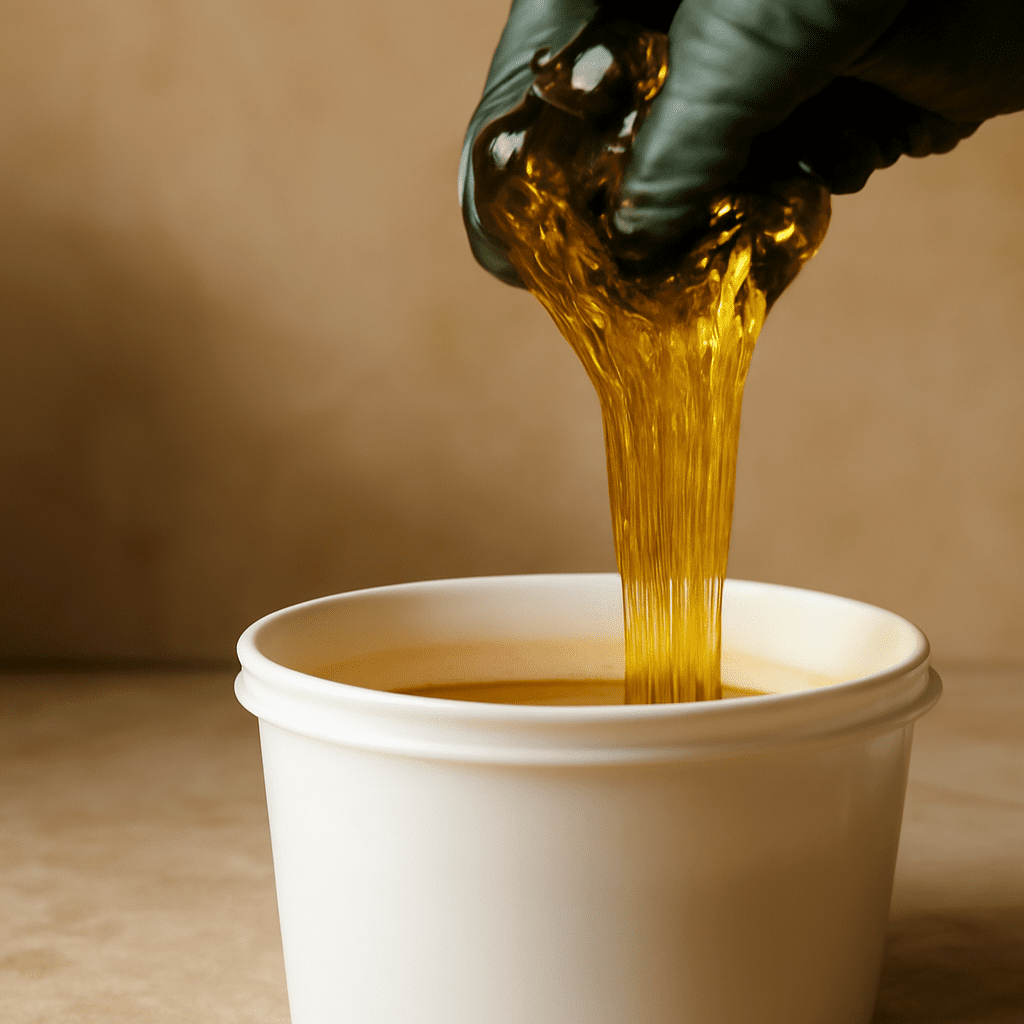
    Sugaring, or sugar waxing, involves the use of a natural, caramel-like paste to remove hair. When this paste is applied to the skin and peeled off, it takes the hair along with it. Back sugaring is simply applying this method to the back.

    How is Back Sugaring done?

    The process begins by spreading the sugar paste in the direction of hair growth. It is then quickly stripped off in the reverse direction. This age-old technique for hair removal is prized for its ability to extract hair from the roots, resulting in a smoother back and longer-lasting results.

    The Role of AHA Pads in Back Sugaring

    Importance of AHA Pads

    Enter AHA pads, your skin’s best friend before and after sugaring. These pads containing Alpha Hydroxy Acids serve two crucial roles: exfoliating the skin to prevent ingrown hairs and calming the skin post-sugaring.

    How to Use AHA Pads for Back Sugaring

    For optimal results, swipe an AHA pad across the back before sugaring to remove dead skin cells. Repeat the process after sugaring for a soothing effect and to prevent infection.

    All Beauty College’s Take on Back Sugaring

    All Beauty College’s Sugaring Course

    All Beauty College offers a comprehensive course on sugaring, extending their expertise to include the use of AHA pads. The curriculum is designed to guide students on the proper techniques and best practices for effective and safe sugaring.

    How All Beauty College Incorporates AHA Pads in Their Sugaring Course

    The course includes a module on the scientific benefits of AHA pads in the sugaring process. All Beauty College emphasizes that including this step in your regimen can significantly improve the results and experience of back sugaring.

    Where to Buy Back Sugaring and AHA Pads

    Fortunately, both sugaring paste and AHA pads are readily available online and in physical stores. Trusted beauty retailers, health stores, and even some supermarkets carry these items. Always opt for a reputable brand to ensure quality and effectiveness.

    DIY Back Sugaring: A Step-by-Step Guide

    Required Materials for DIY Back Sugaring

    For DIY back sugaring, you will need sugaring paste, an applicator, AHA pads, and a mirror setup to properly see your back. It’s also advisable to have a friend assist you if possible.

    Preparing Your Skin with AHA Pads

    Start by cleansing your back using an AHA pad. This will exfoliate the skin, ensuring the sugar paste adheres better to the hair.

    The Sugaring Process

    Apply the paste in the direction of hair growth using the applicator, then quickly strip off in the opposite direction. Be sure to hold your skin taut during this process to avoid discomfort.

    Aftercare Tips

    Once you’re done, soothe your skin using another AHA pad. Avoid exposure to the sun and hot showers for at least 24 hours post-sugaring.

    Back sugaring, when done right, can give you a smooth, hair-free back for weeks. A good understanding of the process and the use of AHA pads can result in a virtually painless and effective DIY experience at home.

  • After Epilation Lotion: Essential After Epilation Skin Care and After Sugaring Treatment Tips

    After Epilation Lotion: Essential After Epilation Skin Care and After Sugaring Treatment Tips

    After Epilation Lotion: Essential After Epilation Skin Care and After Sugaring Treatment Tips

    Whether you’re devoted to smooth, hair-free skin or exploring new routines, the right after epilation lotion makes all the difference in post-sugaring comfort. Prioritizing after epilation skin care not only prevents irritation but actively enhances the results of your after sugaring treatment. With proper after sugaring care, you’ll find your skin stays healthier, calmer, and more resilient after every session, whether you DIY at home or visit a professional.

    From redness-calming ingredients to routines that ward off pesky ingrown hairs, understanding how to support your skin after sugaring is crucial. This guide covers everything you need: choosing the perfect after epilation lotion, crafting an ideal after epilation skin care regimen, and implementing reliable after sugaring treatment strategies that fit any lifestyle.

    Why After Epilation Skin Care Matters

    Common Skin Reactions Post-Epilation

    Experiencing sensitivity is completely normal after removing hair by sugaring, waxing, or other epilation methods. Typical reactions include temporary redness, minor swelling, or even tiny bumps. These effects arise as the hair is pulled from the root, leaving pores open and skin vulnerable. If you skimp on after epilation skin care, irritation can linger or escalate, especially for sensitive or dry skin types.

    Alongside redness, you might notice itching or a heated sensation where the treatment occurred. Engaging in a post-epilation routine helps calm the skin, encourages faster recovery, and prevents complications like breakouts or infection. Regularly applying after epilation lotion reduces discomfort and supports natural healing, especially after a sugaring appointment.

    How After Epilation Lotion Helps

    Smoothing a quality after epilation lotion over freshly treated skin acts as both shield and remedy. Hydrating elements restore moisture lost during hair removal, while anti-inflammatory components reduce post-sugaring redness and calm irritation. These lotions often create a breathable film, locking out bacteria and debris that could irritate open follicles. Instead of relying on generic creams, opting for formulas targeted at after sugaring care ensures you’re addressing post-epilation needs from the outset.

    By making after epilation skin care a habit, you’ll see less tenderness and fewer side effects after each session. Formulations specifically crafted for the after sugaring treatment window can also help minimize the chances of ingrown hairs or clogged pores, keeping skin smooth and even-toned.

    Choosing the Right After Epilation Lotion

    Key Ingredients to Look For

    Effective after epilation lotions are packed with ingredients that replenish and protect. Look for soothing agents like aloe vera, calendula extract, or chamomile—each offering rapid relief from inflammation and redness. Light oils such as jojoba or grapeseed support barrier repair without heaviness. Hydrating hyaluronic acid or panthenol (pro-vitamin B5) further ensures moisture retention after sugaring care.

    Antibacterial components—such as tea tree or lavender essential oils in low concentrations—add an extra layer of defense, curbing the risk of inflamed follicles. When DIY-ing your after sugaring treatment, check labels for non-comedogenic claims to avoid pore blockages. These ingredients are the backbone of any reliable after epilation skin care regimen.

    Products to Avoid After Sugaring

    Steer clear of thick, petroleum-based ointments or heavy body butters immediately after removing hair via sugaring. These can trap heat and bacteria, prolonging redness or even causing breakouts. Fragrance-laden lotions and those with alcohol should also be skipped, as they commonly trigger stinging and further irritation post-epilation.

    After sugaring care also means pausing the use of exfoliants (chemical or physical) for at least 24–48 hours. Harsh scrubs or retinoid creams disrupt the skin’s recovery and heighten sensitivity. For those creating their own after epilation skin care mixes, focus on simplicity and gentleness above all.

    After Sugaring Care Routine

    Immediate Steps After Sugaring

    Right after epilation, gently cleanse the area with lukewarm water or a scent-free, mild cleanser. Pat dry using a soft towel—never rub—and then apply a thin layer of your chosen after epilation lotion. This immediate attention helps close pores and delivers much-needed moisture to freshly revealed skin.

    Avoid touching the treated region with unwashed hands and steer clear of tight clothing for the next few hours. If irritation flares up, applying a cold compress for 10–15 minutes can deliver fast relief without aggravating the skin after sugaring care.

    Long-Term After Sugaring Treatment

    For ongoing after epilation skin care, moisturize daily with your preferred after epilation lotion. Within 48–72 hours, begin gentle exfoliation using a soft cloth or mild enzymatic cleanser a few times a week—this discourages ingrown hair formation. Watch for any persistent redness or bumps, adjusting your after sugaring care routine as needed.

    Hydration from within also matters; drinking plenty of water supports the skin’s barrier function after each sugaring treatment. Over weeks, consistent care will reveal smoother, healthier-looking skin with fewer complications between sessions.

    Expert Tips for Effective After Sugaring Treatment

    Preventing Ingrown Hairs

    Maintaining skin softness is key for reducing post-epilation bumps. Use a gentle exfoliation method two to three times a week after the initial recovery period. Ingredients like lactic acid or fruit enzymes can help release trapped hairs without damaging delicate skin. Avoid harsh scrubbing, as over-exfoliating will worsen sensitivity after sugaring.

    Pairing regular exfoliation with non-irritating lotions post-epilation discourages follicles from becoming blocked as new hair grows back. Consider switching your exfoliation tool between sessions to prevent bacterial buildup, a simple DIY step that rewards you with consistent results.

    Soothing Irritation and Redness

    For flare-ups after sugaring, reach for cooling gels or lotions containing cucumber or aloe. Keeping these products refrigerated enhances their calming effect. If you’re prone to severe redness, using unscented, hypoallergenic after epilation skin care products makes a noticeable difference.

    Attempting to soothe the area with pure oils or overly rich balms can sometimes trap heat; always patch-test DIY concoctions beforehand. If discomfort persists beyond 48 hours, consult a skin care professional for adjustments in your after sugaring care regimen.

    Frequently Asked Questions on After Epilation Skin Care

    How Often to Apply After Epilation Lotion

    Directly following sugaring, apply lotion immediately and then reapply every 8–12 hours for the first two days. After initial healing, daily use keeps the skin supple and resilient. Adjust frequency during dry or humid weather for optimal after epilation skin care results.

    Can You Use Regular Moisturizers After Sugaring?

    While many over-the-counter creams can hydrate, they may not offer the targeted soothing and anti-inflammatory benefits required after epilation. Prioritize after epilation lotions designed for post-sugaring care to achieve the best skin texture and comfort between treatments.

  • Advanced Body Sugaring: Guide to Sugaring Distributors and Where to Buy Sugaring Wax

    Advanced Body Sugaring: Guide to Sugaring Distributors and Where to Buy Sugaring Wax

    Advanced Body Sugaring: Guide to Sugaring Distributors and Where to Buy Sugaring Wax

    Advanced body sugaring offers a gentle, natural way to achieve smooth, hair-free skin without harsh chemicals. If you’re a salon professional or dedicated DIY enthusiast, sourcing the right products is essential for delivering flawless results and keeping clients happy.

    Finding trusted sugaring distributors ensures consistent access to premium products, while learning where to buy sugaring wax streamlines your process, whether you’re restocking or trying new formulas. Read on to discover everything from choosing reputable sugaring hair removal distributors to understanding the benefits of advanced body sugaring for your practice.

    What Is Advanced Body Sugaring?

    How Advanced Body Sugaring Differs from Traditional Methods

    Advanced body sugaring goes beyond basic home treatments by using highly refined pastes and precise techniques. Unlike conventional hair removal, these modern methods rely on expert blending of sugar, lemon, and water for a smooth texture that pulls hair efficiently while minimizing irritation.

    Innovative body sugaring approaches can differ in application, such as using specialized flicking methods or heated versus room temperature sugar paste. Many professionals report that enhanced formulas for body sugaring penetrate deeper, grabbing even the shortest hairs and reducing breakage compared to regular waxing.

    Benefits of Advanced Body Sugaring

    Switching to advanced sugaring for hair removal brings many perks. Skin is left softer and less prone to ingrown hairs, thanks to the gentle exfoliating effect of sugaring paste. The process works well for sensitive skin, causing less redness and discomfort than other techniques.

    Another benefit is that advanced sugar products rinse off easily with water, simplifying cleanup for technicians and at-home users alike. Choosing advanced sugaring also aligns with natural beauty trends, as the formulas are typically free of synthetic additives and harsh fragrances.

    Why Choose Sugaring Distributors?

    Quality Assurance from Sugaring Distributors

    Partnering with reputable sugaring distributors means you’ll always receive high-quality, authentic products. Distributors specializing in sugaring only stock products that pass strict safety and efficacy checks. When you’re working with clients, this is critical for trust and consistent results.

    Many distributors of sugaring supplies offer batch testing and provide transparency on sourcing. This commitment to standards makes obtaining professional sugaring pastes much safer and more reliable than purchasing from unverified sellers.

    Product Variety and Innovation

    Sugaring hair removal distributors often carry a wide selection of pastes, pre- and post-treatment products, and accessories. This gives professionals the flexibility to tailor treatments to each client’s needs, whether they require extra gentle or extra strong formulations.

    Leading distributors frequently introduce cutting-edge sugaring products, such as vegan options or low-temperature pastes. Staying connected with a distributor helps you keep your business current and competitive, giving access to specialty blends not found in general retail stores.

    Support and Training from Distributors

    Top sugaring distributors provide educational resources, technical support, and hands-on training. These services can be invaluable for salons introducing advanced body sugaring or individuals seeking guidance to perfect their technique.

    From webinars on new paste innovations to troubleshooting tips for sugaring application, dedicated distributors help build your confidence and skill set. Many also offer certification programs to boost your credentials and reassure clients about your commitment to quality.

    How to Select the Best Sugaring Hair Removal Distributors

    Certifications and Reputation

    When looking for sugaring hair removal distributors, prioritize those with industry certifications and a proven reputation. Check for affiliations with cosmetology associations or licensing authorities, which reflect adherence to best practices for sugaring.

    Reading testimonials and asking colleagues for distributor recommendations often reveals which suppliers consistently deliver quality and support. Longevity in the sugaring supply business is another strong indicator of reliability and trustworthiness.

    Product Sourcing and Ingredients

    Not all sugaring waxes are created equal. The best sugaring hair removal distributors are transparent about their sourcing, offering detailed ingredient lists and information on manufacturing processes. This helps you avoid allergens or unwanted additives in your treatments.

    Look for suppliers who prioritize organic or eco-friendly ingredients, and who can provide evidence of sustainable production. Choosing a knowledgeable distributor ensures you can confidently explain your product choices to discerning customers.

    Customer Service and Reviews

    Responsive customer support is key when partnering with any sugaring distributor. Reliable distributors handle inquiries quickly, provide shipping updates, and offer clear return policies. Reading online reviews can reveal how a distributor responds to both praise and concerns.

    Outstanding customer service often sets leading distributors apart, especially for salons managing large or urgent orders. Look for distributors who are easy to contact and eager to resolve any issues.

    Pricing and Bulk Options

    Cost is always a consideration when choosing suppliers for your sugaring business. The top sugaring hair removal distributors offer competitive pricing and discounts for bulk orders, making it affordable to maintain supplies even as your client list grows.

    Many distributors extend loyalty programs, seasonal promotions, or starter kits, helping new businesses access professional-grade sugaring pastes and waxing essentials without breaking the bank.

    Where to Buy Sugaring Wax: Top Tips and Resources

    When searching where to buy sugaring wax, start with established professional beauty suppliers and specialized online stores. These outlets usually stock a comprehensive range of sugaring wax types and application tools, from soft to firm consistencies.

    Buying sugaring wax directly from certified distributors often means better quality control, authenticity, and access to expert advice. Many brands now sell sugaring products on their official websites, ensuring you receive fresh, unadulterated paste every time.

    If you’re shopping for sugaring wax in person, visit beauty supply shops known for working with professional lines. Always check for hygienic packaging and clear expiration dates when selecting sugaring wax for your practice.

    Frequently Asked Questions About Advanced Body Sugaring Products

    Is advanced body sugaring suitable for sensitive skin?
    Yes, advanced body sugaring is designed for sensitive and all skin types, thanks to its all-natural, non-irritating ingredients and gentle removal process.

    How do I know if a sugaring distributor is reputable?
    Look for clear certifications, transparent ingredient sourcing, and positive reviews from both clients and industry peers before purchasing from a sugaring distributor.

    Can I buy sugaring wax in bulk for my salon?
    Most sugaring hair removal distributors offer bulk pricing and wholesale options for businesses. Contact your chosen supplier for details and volume discounts.

    What is the shelf life of sugaring wax?
    Sugaring wax typically lasts up to 18–24 months when stored in a cool, dry place. Always check expiration dates for optimal performance.

    Do distributors provide training for advanced body sugaring techniques?
    Many sugaring distributors offer in-person or online training sessions, certifications, and ongoing support to help you master advanced sugaring methods.

    Are vegan and organic sugaring options available?
    Yes, numerous distributors now offer vegan, organic, and eco-friendly sugaring products for clients seeking clean beauty solutions.

    The bottom line: Advanced body sugaring delivers smooth, glowing skin and lasting comfort for clients. Choosing the right sugaring distributors and knowing where to buy sugaring wax will set your business or home practice apart with quality, safety, and expert results.

  • Makeup for Hooded Eyes: The Ultimate Guide to Flattering Looks

    Makeup for Hooded Eyes: The Ultimate Guide to Flattering Looks

    Makeup for Hooded Eyes: The Ultimate Guide to Flattering Looks

    Hooded eyelids present unique beauty opportunities and challenges, making it important to master the right techniques and products for eye makeup that enhances your natural features. Whether you’re searching for the best eyeshadow tutorial for hooded eyes, need specific makeup for hooded eyes, or want an expert eye makeup tutorial to experiment with new looks, understanding your eye shape can transform your approach. From creating subtle everyday styles to bold evening glam, our comprehensive guide offers hooded eyelid makeup tips rooted in artistry and expertise.

    In this article, you’ll discover essential tools, step-by-step makeup tutorials, and inspiration for makeup looks for hooded eyes. Let’s explore how to highlight your eyes with confidence and skill, using the latest pro-approved methods and products.

    Understanding Hooded Eyes and Makeup Challenges

    What Are Hooded Eyes?

    Hooded eyes are characterized by a pronounced brow bone and a fold of skin that partially or fully covers the eyelid when your eyes are open. This unique structure can make traditional eyeshadow application techniques less visible, which is why tailored makeup for hooded eyes is essential. Recognizing this eye shape is the first step to successful hooded eyelid makeup tips, allowing you to enhance depth and definition strategically.

    Common Makeup Struggles for Hooded Eyelids

    Individuals with hooded eyes often notice that their eyeshadow creases or disappears into the fold, and eyeliner may smudge or become hidden. The challenges include dealing with limited visible lid space, shadow transfer, and difficulty maintaining crisp lines. These hurdles make a targeted eyeshadow tutorial for hooded eyes invaluable, as it addresses specific concerns like smudging and fading. Understanding these struggles is key to finding solutions that flatter and last.

    Essential Tools and Products for Hooded Eyelid Makeup

    Must-Have Brushes and Primers

    Successful makeup for hooded eyes starts with the right tools. Small, densely packed brushes help you apply pigment precisely, while fluffy blending brushes allow you to diffuse color above the crease for an eye-opening effect. An eyeshadow primer is a non-negotiable for hooded eyelid makeup tips, as it prevents creasing and helps products adhere for longer wear. Investing in high-quality brushes and a long-lasting primer can dramatically improve your results.

    Choosing the Right Eyeshadow Formulas

    Creamy yet long-wearing eyeshadow formulas are best for hooded eyelids. Powder shadows with a matte or satin finish minimize unwanted shine in the crease, while waterproof gel liners prevent smudging. When following an eyeshadow tutorial for hooded eyes, opt for highly pigmented shades to ensure your look remains vivid and defined throughout the day. Select products that blend seamlessly and resist transfer, keeping your makeup fresh and vibrant.

    Step-by-Step Eyeshadow Tutorial for Hooded Eyes

    Prepping Your Lids

    Begin by gently cleansing your eyelids to remove any oil or residue, then apply a thin layer of eyeshadow primer. This is a crucial hooded eyelid makeup tip, as it creates a smooth canvas and locks in color. Lightly set the primer with a translucent powder to prevent creasing, ensuring your shadows glide on effortlessly.

    Applying and Blending Shadow for Maximum Impact

    With hooded eyes, the key is to apply transition shades slightly above your natural crease—where the color remains visible when your eyes are open. Using step-by-step guidance from an eyeshadow tutorial for hooded eyes, start with a matte shadow in the crease and blend upward. Add depth with a darker shade at the outer corner, focusing on a lifted, elongated shape. Finish with a shimmer or satin shade along the mobile lid and inner corner to brighten and open up the eye area, ensuring your makeup for hooded eyes stands out beautifully.

    Eye Makeup Tutorial for Hooded Eyes: Eyeliner, Lashes & More

    Eyeliner Placement for Hooded Eyes

    Precision is key when lining hooded eyes. Tightline the upper waterline with a waterproof pencil to define without overwhelming the lid space. For added impact, keep the eyeliner thin at the inner corner and gently wing it upward and outward, following expert recommendations from any effective eye makeup tutorial. This approach avoids closing off the eye and keeps the focus on your gorgeous lash line.

    Mascara and Lash Techniques

    Curled, lifted lashes make a dramatic difference for hooded eyelids. Begin with an eyelash curler and apply a volumizing, smudge-proof mascara, wiggling from root to tip. For more intensity, consider lightweight false lashes or individual accents. Applying these tricks from a hooded eyelid makeup tip book can give the illusion of wider, more open eyes and highlight your makeup artistry.

    Makeup Looks for Hooded Eyes: Day to Night Inspiration

    Soft Natural Daytime Look

    Keep your daytime makeup for hooded eyes subtle with neutral matte shades swept above the crease and a soft shimmer on the lid. Use a brown pencil liner for definition, blending to avoid harsh lines. Light mascara and a touch of inner corner highlight complete this easy, wearable look, perfect for everyday confidence.

    Dramatic Evening Makeup Ideas

    For an evening transformation, intensify your eyeshadow tutorial for hooded eyes with deeper tones and bold liner. Layer rich hues in the outer corner, add a striking metallic on the lid, and try a flicked eyeliner technique. Voluminous lashes and precise blending ensure your makeup looks for hooded eyes are glamorous and striking, ideal for special occasions.

    Top Tips & Mistakes to Avoid in Hooded Eyelid Makeup

    Expert Tricks for Long-Lasting Wear

    To maximize wear, always use primer and set your makeup with a lightweight translucent powder. Water-resistant formulas are vital for both shadow and liner. Layering textures—such as cream shadow beneath powder—improves longevity and vibrancy, making your hooded eyelid makeup tips go the distance.

    Common Pitfalls and How to Fix Them

    Avoid applying dark shades too low or using overly thick eyeliner, which can make eyes look heavier. Instead, lift colors above the crease and keep lines crisp. If shadow transfers, blot the area gently and reapply a small amount of powder. Following these guidelines ensures your eye makeup tutorial results remain flawless and flattering from morning to night.

  • Eye Growth: Understanding Pterygium Eye Disease and Other Film Over Eyeball Issues

    Eye Growth: Understanding Pterygium Eye Disease and Other Film Over Eyeball Issues

    Eye Growth: Understanding Pterygium Eye Disease and Other Film Over Eyeball Issues

    If you’ve ever noticed a film over your eyeball or an unusual growth on the white of your eye, you’re not alone. These changes, known as eye growth, can be worrisome and may signal conditions such as pterygium eye disease or other issues affecting the pterygium conjunctiva. Understanding the types, causes, and best ways to care for your eyes is crucial for maintaining clear vision and eye comfort. This guide explains everything you need to know about eye growth, including what it means if you see a film over your eyeball, and how to keep your eyes healthy.

    Whether you’re concerned about pterygium conjunctiva or simply want to learn more about common eye health concerns, this article combines expert insights and practical tips for recognizing, managing, and preventing film over eyeball conditions. Let’s explore the science behind these changes and how to protect your vision.

    What Is Eye Growth and Why Does It Occur?

    Common Causes of Eye Growth

    Eye growth refers to abnormal tissue developing on the surface of your eye, especially on the conjunctiva—the thin, transparent membrane covering the white part of your eye. The most recognized types include pterygium eye disease and pinguecula. Common causes of eye growth include chronic exposure to ultraviolet (UV) rays, dust, wind, and irritants. These environmental factors can stimulate the conjunctiva, leading to the formation of a film over the eyeball or fleshy lesions.

    Other triggers may include dry eye, contact lens wear, and a genetic predisposition. People who spend long hours outdoors or in sunny climates are particularly vulnerable to developing changes like pterygium conjunctiva. While not all growths are harmful, they can affect vision or comfort over time. Early signs typically present as redness, irritation, or the subtle appearance of a film over the eyeball.

    Recognizing Early Signs of Film Over Eyeball

    Early detection is key to effective management. Look for symptoms such as a persistent sensation of something in your eye, visible white or yellowish patches, and occasional blurred vision. Pterygium eye disease often begins as a small, raised area on the conjunctiva that can slowly extend toward the cornea, creating that characteristic film over the eyeball. Noticing any irregularities on the eye’s surface should prompt a visit to your eye care professional for evaluation and advice.

    Pterygium Eye Disease: Symptoms, Risks, and Diagnosis

    How Pterygium Eye Disease Differs from Other Types of Eye Growths

    Pterygium eye disease is unique in its tendency to progress from the conjunctiva onto the cornea, sometimes impairing vision if left untreated. Unlike other types of eye growths, such as pinguecula, which stay confined to the white of the eye, pterygium may appear fleshy, triangular, and is often associated with chronic inflammation or discomfort. The film over eyeball sensation is most pronounced with advanced pterygium conjunctiva, especially when the growth encroaches on the visual axis.

    This disease is most common in people living in sunny or windy environments, making pterygium eye disease a frequent diagnosis in surfers, farmers, and outdoor workers. Symptoms can include redness, itchiness, recurrent inflammation, and a visible change in the contour of the eye. Key risk factors are frequent UV exposure, dry or dusty conditions, and a family history of eye growth.

    The Role of Pterygium Conjunctiva in Eye Growth

    The pterygium conjunctiva serves as the starting point for abnormal tissue development in this disease. When exposed to environmental stressors, the conjunctiva may thicken, eventually forming a wedge-shaped growth that can migrate toward the cornea. This not only creates a film over the eyeball but can also alter the shape of the eye’s surface, occasionally leading to astigmatism or other refractive issues.

    Pterygium conjunctiva is distinct from other benign lesions due to its potential to impact vision and eye comfort. Diagnosis typically involves a thorough slit-lamp examination and, in some cases, imaging to assess the extent and depth of the growth. Prompt recognition and intervention can help preserve eye health and prevent complications.

    Types of Eye Growths: Beyond Pterygium Conjunctiva

    Pinguecula vs. Pterygium

    While pterygium eye disease is well known, it’s important to distinguish it from pinguecula—another common form of eye growth. Pinguecula appears as a yellowish, slightly raised thickening on the white of the eye, often near the cornea but not crossing onto it. Both pinguecula and pterygium conjunctiva result from UV exposure and chronic irritation, but only pterygium tends to invade the corneal surface and cause a film over the eyeball.

    Other growths, such as cysts or benign tumors, may also affect the conjunctiva, but they usually remain localized and rarely interfere with vision. Recognizing these differences is essential for determining the appropriate care and treatment plan.

    When to Seek Medical Advice

    Any persistent film over the eyeball, new growth, or change in eye appearance warrants a professional evaluation. Eye growth can sometimes mimic more serious conditions, and a precise diagnosis ensures timely intervention. If you experience discomfort, redness, or changes in vision associated with pterygium eye disease, schedule an appointment with your eye care provider promptly.

    Specialists can distinguish between various forms of conjunctival lesions, including pterygium conjunctiva and other growths, and recommend monitoring or treatment based on individual risk factors and lifestyle.

    Managing and Preventing Film Over Eyeball Concerns

    Home Care Tips for Eye Growth

    Simple measures can reduce the risk and progression of eye growth. Wearing UV-protective sunglasses, using wide-brimmed hats, and avoiding dry, dusty environments can help protect the conjunctiva from damage. Regular use of lubricating eye drops soothes irritation and minimizes the sensation of a film over the eyeball. Maintaining good eye hygiene, such as avoiding rubbing your eyes, further supports conjunctival health.

    • Limit direct sun exposure during peak hours.
    • Choose sunglasses with full UVA/UVB protection.
    • Keep eyes moist with preservative-free artificial tears.
    • Take breaks from screens and use humidifiers in dry spaces.

    Medical Treatments for Pterygium Eye Disease

    For those with significant symptoms or visual impairment from pterygium eye disease, medical intervention may be necessary. Early-stage pterygium conjunctiva often responds to lubricants or mild anti-inflammatory drops. In advanced cases, surgical removal restores eye appearance and function, though ongoing UV protection is necessary to prevent recurrence.

    Your ophthalmologist will tailor treatment based on severity, lifestyle, and risk factors. Staying proactive about eye health, recognizing early symptoms, and maintaining regular eye exams offer the best protection against progression or complications related to film over eyeball and other forms of eye growth.

  • Best Eyeshadow: Top Eye Palettes and Best Eyeshadow Brands for Every Look

    Best Eyeshadow: Top Eye Palettes and Best Eyeshadow Brands for Every Look

    Best Eyeshadow: Top Eye Palettes and Best Eyeshadow Brands for Every Look

    Creating flawless eye looks begins with choosing the right products, and the best eyeshadow can completely transform your makeup routine. Whether you’re on the hunt for top eye palettes, looking for good makeup palettes that stand out, searching for the best neutral eyeshadow palette, or eager to discover the best eyeshadow brand, you’ll find all your answers here. Effortless blending, stunning pigmentation, and endless versatility are just a palette away!

    With so many options, it’s easy to feel overwhelmed by the array of colors and finishes. Understanding what sets the best eyeshadow apart—both in terms of formula and shade selection—will help you build a collection that shines in any situation. Let’s dive into the qualities and expert tips that make certain palettes true beauty staples.

    Why Choosing the Best Eyeshadow Matters

    Impact on Makeup Looks

    The best eyeshadow is essential for enhancing your eyes and elevating your overall beauty. High-quality shadows create seamless transitions, bold statements, or soft glamour, depending on your mood. Using top eye palettes means you have the tools to craft any look, from daytime chic to dramatic evening glamour. A standout formula delivers a professional finish even for makeup beginners, ensuring that your efforts last all day and photograph beautifully.

    Key Qualities of the Best Eyeshadow Brand

    What truly distinguishes the best eyeshadow brand is its commitment to performance and variety. These brands offer palettes with intense color payoff, smooth textures, and minimal fallout. Good makeup palettes from trusted brands are infused with skin-loving ingredients and tested for safety, making them suitable for sensitive skin types. Selecting products from a renowned name guarantees consistency, innovation, and shades tailored to every skin tone and style preference.

    Top Eye Palettes for Every Style and Skin Tone

    Best Neutral Eyeshadow Palette Picks

    A best neutral eyeshadow palette is a must for anyone who loves classic, wearable looks. These palettes feature a harmonious mix of mattes and shimmers in flattering beige, taupe, brown, and champagne tones. They make eye contouring easy and are perfect for daily wear or a soft bridal finish. Brands like Natasha Denona, Urban Decay, and Too Faced are celebrated for delivering some of the top eye palettes in the neutral category, offering good makeup palettes suitable for every complexion.

    Investing in the best neutral eyeshadow palette guarantees versatility; you’ll use those universally flattering shades time and again. Many include larger pans for base tones and smaller ones for accent colors, making them user-friendly and travel-ready. The best eyeshadow brand options ensure shades are buildable and never patchy, making them ideal for both quick touch-ups and detailed creations.

    Colorful and Versatile Good Makeup Palettes

    When you want to experiment, reach for colorful good makeup palettes that encourage bold artistry. These top eye palettes deliver a spectrum of hues—think jewel tones, vibrant blues, pinks, and purples—to help you create anything from subtle pops of color to full festival looks. The best eyeshadow offers smooth application, consistent payoff, and easy layering, even with daring shades.

    Leading brands release curated collections with both statement and transitional shades, ensuring you’re never limited by your palette. Creative makeup lovers can mix finishes and play with textures, knowing their palettes come from the best eyeshadow brand selections. These good makeup palettes are frequently recommended by beauty influencers and professionals alike for their blendability and lasting power.

    How to Select the Best Eyeshadow Brand

    Ingredients and Formula

    Evaluating ingredients is a key factor in selecting the best eyeshadow brand. Look for palettes formulated without harmful additives and rich in nourishing components such as vitamin E or jojoba oil. The best eyeshadow incorporates finely milled pigments for a silky feel, while good makeup palettes from reputable brands avoid talc, parabens, and potential irritants whenever possible.

    The formula impacts not just payoff, but also comfort and wearability. Top eye palettes that contain skin-conditioning ingredients are suitable for sensitive eyelids and frequent use. Researching the ingredient list and opting for the best neutral eyeshadow palette made with clean, cruelty-free components ensures your beauty routine aligns with your values and skin needs.

    Longevity and Blendability

    Aside from color selection, the longevity and blendability of the product define a good makeup palette. The best eyeshadow brand will offer palettes designed for minimal creasing and fading, letting your look remain vivid for hours. These top eye palettes often feature advanced binding technologies to lock in color and resist smudging, even in humid conditions.

    Blendability is crucial, especially for the best neutral eyeshadow palette, where smooth transitions are key for natural looks. Prioritize palettes that are easy to diffuse but still deliver strong color payoff. Expert reviews and user testimonials frequently highlight the importance of both these factors when ranking the best eyeshadow and standout good makeup palettes.

    Expert Tips for Using Good Makeup Palettes

    Application Techniques

    Maximize the potential of your good makeup palettes by starting with a quality eye primer, which helps the best eyeshadow adhere evenly and stay put. Use soft, synthetic brushes for seamless blending—especially when working with the best neutral eyeshadow palette for subtle gradient effects. For bolder looks, layer deeper shades from your top eye palettes in the outer corners, and add shimmer to the center of the lid to catch the light.

    Don’t be afraid to mix and match shades from several good makeup palettes, especially when using products from the best eyeshadow brand. Creative combinations allow you to customize your look for any occasion, whether you prefer understated elegance or high-impact drama.

    Maintaining Your Top Eye Palettes

    To ensure your top eye palettes remain in pristine condition, clean your brushes regularly to prevent color muddling and bacterial buildup. Store palettes in a cool, dry area, and close them tightly after each use. The best eyeshadow and good makeup palettes will last longer if protected from moisture and sunlight. With proper care, your investment in the best eyeshadow brand will reward you with stunning results every time you open your palette.

  • Matte Neutral Eyeshadow Palette: The Ultimate Guide for Effortless Eye Looks

    Matte Neutral Eyeshadow Palette: The Ultimate Guide for Effortless Eye Looks

    Matte Neutral Eyeshadow Palette: The Ultimate Guide for Effortless Eye Looks

    When it comes to timeless elegance and versatility in your makeup routine, nothing outshines a matte neutral eyeshadow palette. Whether you’re seeking subtle definition for workdays or dramatic depth for evening glamour, the right good matte eyeshadow palette delivers seamless, crease-free results every time. Choosing the best matte eyeshadow palette can seem daunting with so many options, but finding your signature neutral eye makeup palette unlocks an array of eye makeup looks. This guide explores everything you need to know, from features to care tips, to help you create flawless matte eye palette magic for every occasion.

    Let’s dive into the world of matte neutrals, uncovering how these iconic palettes suit every skin tone, lifestyle, and personal style. Whether you’re a beginner or a beauty pro, you’ll discover how a well-curated selection of matte shades elevates your artistry and simplifies your routine.

    Why Choose a Matte Neutral Eyeshadow Palette?

    Benefits of Matte Finishes for All Skin Tones

    A matte neutral eyeshadow palette is a beauty essential because its colors flatter every complexion. Matte finishes create a soft-focus effect, delicately blurring imperfections and minimizing texture—perfect for mature, oily, or textured lids. These palettes typically feature taupes, beiges, browns, and soft grays, making them a versatile option for every skin tone. The absence of shimmer or glitter allows the colors to blend seamlessly, resulting in a natural finish that enhances your features without overpowering them.

    How Matte Eyeshadow Palettes Enhance Everyday Looks

    For everyday eye makeup, a good matte eyeshadow palette shines. Its buildable hues transition beautifully from day to night, offering endless combinations for subtle sculpting or dramatic definition. Unlike shimmery shadows, matte formulas are less prone to fallout and provide a smooth canvas for creative techniques like cut-creases or smokey eyes. Relying on a matte neutral palette means you’re always prepared for fresh, modern looks that stand the test of time and trend.

    Top Features of a Good Matte Eyeshadow Palette

    Pigmentation, Blendability, and Longevity

    The best matte eyeshadow palette boasts saturated pigments that offer true-to-pan color. High-quality formulas blend effortlessly, allowing for seamless transitions between shades—crucial for softly diffused or bold graphic looks alike. Longevity is another hallmark; look for palettes that promise crease-proof, fade-resistant wear from morning to night. A matte eye palette with a silky texture glides on evenly, ensuring your makeup remains fresh and vibrant throughout the day.

    Ingredients to Look For in Matte Eye Palettes

    When selecting a good matte eyeshadow palette, opt for products enriched with nourishing ingredients like vitamin E, jojoba oil, or shea butter. These help maintain lid hydration and ensure a smooth application. Avoid harsh talc-heavy formulas or ingredients that may trigger sensitivities, especially around the delicate eye area. Many modern matte palettes are also vegan and cruelty-free, appealing to conscious beauty lovers who prioritize ethical and gentle formulas.

    Best Matte Eyeshadow Palette Recommendations

    Affordable and High-End Matte Neutral Palettes

    There’s a matte neutral eyeshadow palette for every budget. Drugstore favorites like e.l.f. or NYX offer impressive pigmentation at wallet-friendly prices, making them ideal for beginners exploring the world of neutral mattes. On the luxury end, brands like Urban Decay, Tarte, and Anastasia Beverly Hills are renowned for their buttery textures and expertly curated shade ranges. No matter your price point, the right neutral eye makeup palette delivers reliability and performance for polished eye makeup looks.

    How to Select the Right Matte Eye Palette for You

    When deciding which matte eye palette to add to your kit, consider your unique preferences: skin undertone, daily needs, and desired intensity. Cool-toned palettes flatter fair or pink-based complexions, while warmer hues enhance olive and deeper skin. Seek palettes with a balance of light, medium, and deep shades for maximum versatility. Testing small pans or travel-sized versions helps you discover which textures and tones best suit your style before investing in a full-sized best matte eyeshadow palette.

    Creating Stunning Looks with a Neutral Eye Makeup Palette

    Step-by-Step Matte Eye Makeup Tutorial

    Begin with an eyeshadow primer to extend wear time and intensify color. Using your chosen neutral eye makeup palette, sweep a light beige or taupe across your lid as a base. Deepen your crease with a mid-tone brown, blending softly for a seamless transition. For extra dimension, add a deeper matte shade to the outer corner and softly smudge along the lower lash line. Highlight your brow bone and inner corner with the lightest matte shade in your matte neutral eyeshadow palette. Finish with mascara for a classic, sculpted look perfect for any setting.

    Tips for Long-Lasting Matte Eye Looks

    To keep your matte eye palette creations flawless, always start with a clean, primed lid and use brushes designed for blending mattes. Layer thin applications of color, building gradually for intensity without cakiness. Setting your look with a lightweight translucent powder helps prevent creasing, especially if you have oil-prone lids. With the right technique, your matte eye makeup will last as long as you do—no midday touch-ups needed.

    Caring for and Storing Your Matte Eye Palette

    Cleaning and Shelf Life

    To prolong the life of your best matte eyeshadow palette, avoid excess moisture and clean your brushes frequently to prevent hard pan or contamination. Most matte palettes remain fresh for up to two years; discard if you notice changes in texture, smell, or performance. Storing your matte neutral eyeshadow palette in a cool, dry place with the lid tightly closed preserves pigments and extends usability.

    Travel Tips for Your Matte Neutral Eyeshadow Palette

    Traveling with your favorite matte eye palette? Choose compact, durable packaging or transfer a few shades into a magnetic mini palette for convenience. Use tissue or cotton pads to cushion pans and prevent breakage. A versatile matte neutral eyeshadow palette is the ultimate companion—letting you transition from casual day looks to sultry night styles, wherever your journey takes you.

  • Why Is There Sunken Skin Beside My Outer Eye? Causes, Symptoms & Solutions

    Why Is There Sunken Skin Beside My Outer Eye? Causes, Symptoms & Solutions

    Why Is There Sunken Skin Beside My Outer Eye? Causes, Symptoms & Solutions

    Noticing sunken skin beside the outer eye can be unsettling, especially if it appears suddenly or seems to worsen over time. This concern touches on both health and beauty, prompting questions about sunken eyes dehydration, the variety of sunken eyeball causes, and even diseases that cause sunken eyes. Whether you’re hoping to enhance your appearance or understand potential underlying issues, the right knowledge is the first step in addressing sunken eye balls effectively.

    Sensitive eye area changes, like hollowing or darkness, can signal anything from lifestyle habits to medical conditions. By exploring the reasons behind sunken eyes and the beauty solutions available, you’ll gain insight into both prevention and targeted treatments for this delicate concern.

    Understanding Sunken Skin Beside the Outer Eye

    What Sunken Skin Looks Like

    Sunken skin beside the outer eye is marked by a noticeable hollow or depression that develops just outside the bony rim of the eye socket. This can create a shadowed, tired appearance, often making you look older or less refreshed. Unlike typical dark circles or puffiness, sunken skin forms as the underlying fat and tissue diminish, resulting in a hollowed contour rather than a swollen or pigmented look.

    How It Differs from Other Eye Concerns

    It’s important to distinguish between sunken eyes and other eye-area issues. While puffiness involves swelling or fluid retention, and dark circles often result from increased pigmentation or visible blood vessels, sunken skin involves volume loss. Sunken eyes dehydration may worsen these hollows, but its key difference is the lack of fullness beneath the skin, rather than the presence of excess fluid or pigment.

    Common Causes of Sunken Eyes and Sunken Eye Balls

    Sunken Eyes Dehydration

    One of the most frequent reasons behind a hollowed appearance is sunken eyes dehydration. When your body lacks adequate fluids, the skin loses plumpness, causing the area around the eyes to look more recessed. Dehydration’s effect isn’t just superficial; even mild fluid loss can make the orbital area appear dramatically more sunken, especially if you already have thin skin or minimal fat padding.

    Hydration is crucial, but other partial causes include excessive caffeine or alcohol intake, which both contribute to fluid loss. If you notice sunken skin after a night out or following a hectic week, insufficient water may be playing a larger role than you think.

    Age, Genetics, and Lifestyle

    Natural aging is a primary factor in sunken eyeball causes. As we age, the skin’s collagen and elastin content decrease, and the fat pads that support the eye area shrink or shift. Genetic predisposition also plays a significant role—some individuals naturally have deeper-set eyes or less subcutaneous fat, making them more prone to hollowness.

    Lifestyle factors, including lack of sleep, chronic stress, and poor nutrition, can also accentuate the appearance of sunken skin. Chronic fatigue or repeated late nights can drain the eye area, while diets low in essential nutrients reduce the skin’s ability to repair and retain moisture, leading to more pronounced shadows and depth.

    Sunken Eyeball Causes: Medical Factors

    Beyond hydration and aging, a range of medical issues can contribute to sunken eyeball causes. Severe or rapid weight loss, especially from illness or restrictive diets, can leave the orbital area depleted of the fat that normally cushions the skin. Allergies, chronic sinus issues, and prolonged nasal congestion may also contribute, as can trauma to the area.

    Other partial contributors may include smoking, certain medications, and underlying hormonal imbalances, which can all reduce the skin’s integrity or disrupt normal fat distribution around the eyes.

    Diseases That Cause Sunken Eyes

    Underlying Health Conditions

    Persistent or severe hollowness near the eyes can sometimes signal diseases that cause sunken eyes. Chronic infections, such as sinusitis, or systemic conditions like malnutrition, can all cause the eyes to appear more recessed. Thyroid disorders—including Graves’ disease—may disturb the tissues around your eyes, contributing to both swelling and atrophy.

    Autoimmune diseases, untreated diabetes, and certain cancers may cause wasting of soft tissue, compounding the issue. Partial signs of these conditions may include fatigue, weight changes, or unexplained sinus symptoms alongside the eye changes.

    When to See a Doctor

    If sunken eye balls develop rapidly, are accompanied by pain, double vision, or other changes in vision, or if you experience other unexplained systemic symptoms, it’s important to consult a healthcare professional. Diseases that cause sunken eyes are rare, but prompt diagnosis ensures both your health and your beauty concerns are properly addressed.

    Beauty and Medical Solutions for Sunken Eye Balls

    At-Home Remedies

    For many, simple at-home interventions can make a noticeable difference. Staying well-hydrated combats sunken eyes dehydration, as does eating a balanced diet rich in vitamins C, E, and A. Quality sleep and gentle massage around the orbital area can promote blood flow and reduce the appearance of hollowing. Eye creams with hyaluronic acid, peptides, or caffeine may plump and revitalize sunken skin, while cold compresses help soothe tired tissues.

    Professional Treatments

    Sometimes, professional solutions are required for prominent or persistent sunken eyeball causes. Cosmetic fillers, such as hyaluronic acid injections, are a popular option for restoring lost volume and smoothing contours. Laser therapies and microneedling can stimulate collagen production, improving skin thickness and appearance. For cases related to diseases that cause sunken eyes, medical management of the underlying condition is essential before any aesthetic treatments.

    Prevention Tips and When to Seek Help

    Daily Habits to Prevent Sunken Eyes

    Preventing sunken skin involves a comprehensive approach: maintain regular hydration, adopt a nutrient-rich diet, and prioritize restorative sleep. Reducing sun exposure and using sunscreen can protect delicate eye-area skin. Avoiding smoking, limiting alcohol, and managing stress are all partial strategies for keeping the eye area healthy and full.

    Recognizing Serious Symptoms

    Though most cases of sunken eye balls are cosmetic and manageable, be alert to sudden changes, pain, or associated vision disturbances. If you suspect sunken eyes dehydration despite adequate fluid intake, or your symptoms persist despite beauty solutions, consult a medical professional to rule out deeper issues.